
Posted on

Teaching the next generation of adventurers

Teaching the next generation of adventurers

Dan Norman spends his days helping others discover the outdoors –ย and spends his own time putting those skills to the test on the water.

The Trips That Shaped A Lifetime

The first lessons often begin quietly. For Dan Norman, they began in a canoe at seven years old, somewhere among the lakes and rivers that would shape a lifetime outdoors. Those early wilderness trips became whitewater runs as a teenager, and eventually sea kayaking along the intricate coastline of British Columbia.

Over the years, those early canoe trips naturally evolved into a lifelong pursuit. Whitewater kayaking offered challenge and precision, while sea kayaking opened the door to exploring the intricate coastline of British Columbia – waters that continue to shape much of his time today.
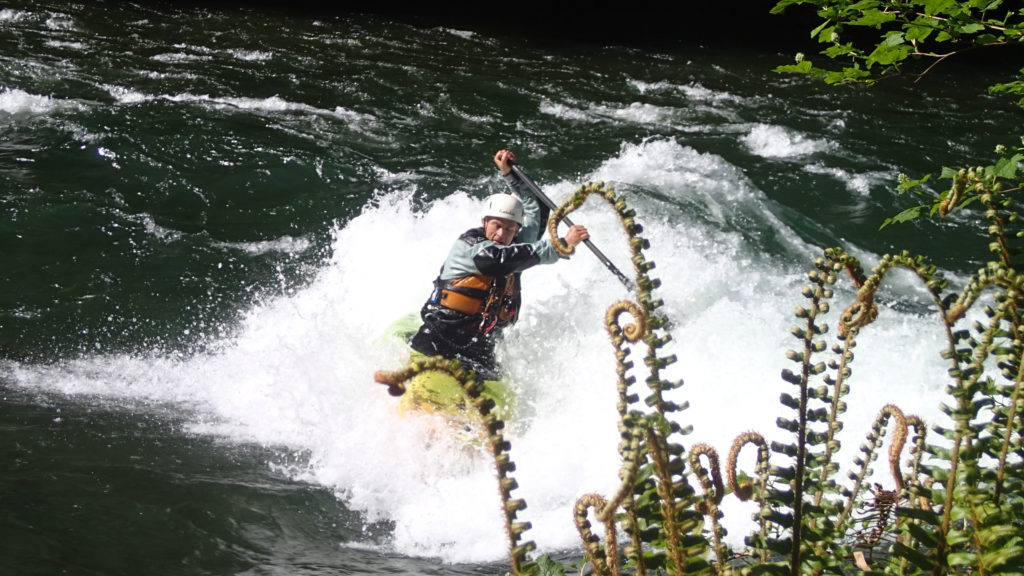
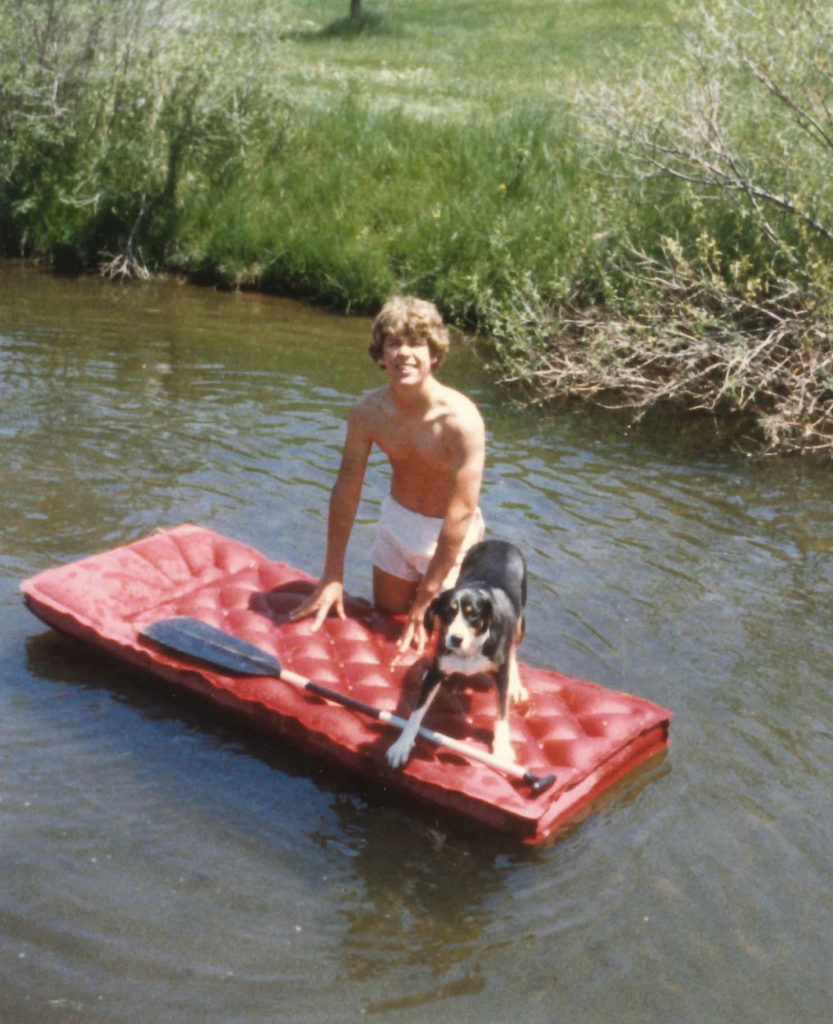
Photo: Dan Norman on a recent adventure.
From the vault: A memory from Dan’s youth, captioned “wishing for a boat”.

A Classroom Without Walls

For the past twenty-five years, Dan has led the Outdoor Pursuits Program at Brentwood College, helping generations of students discover the outdoors through kayaking, hiking, canoeing, paddle boarding, and backcountry travel. The work extends well beyond school walls. Each spring, he organizes a youth whitewater program that introduces roughly seventy young paddlers to moving water with the support of dozens of volunteer instructors.
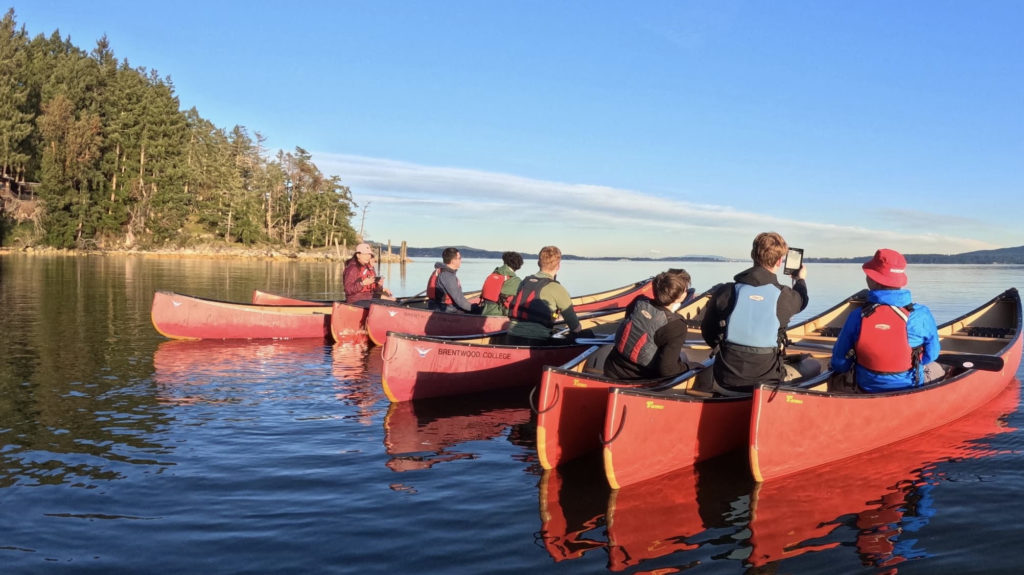
For Dan, outdoor education is about much more than learning to paddle. Every trip offers an opportunity to build confidence, develop judgment, and encourage curiosity – whether students are navigating a quiet bay, learning wilderness skills, or simply experiencing the outdoors in a new way. That philosophy has become the foundation of the Outdoor Pursuits Program, where each season brings new adventures, practical learnings, and simply time out in nature.โ€‹

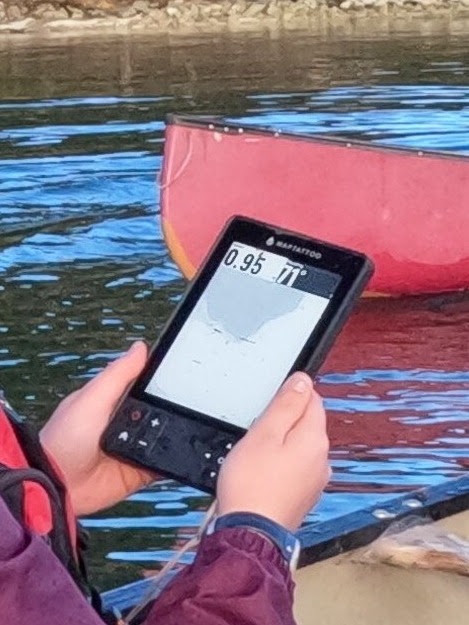
Photo: Dan Norman, courtesy of the Outdoor Pursuits Program. Featuring MAPTATTOO Classic.

Always Another Adventure

His calendar rarely stays empty for long. He paddles year-round: usually several days every week. Rivers one day; ocean the next. This season includes another school expedition, another personal journey, another opportunity to explore the coastline he has spent decades getting to know.

โ€‹

Among those adventures, one remains especially vivid: a ten-day sea kayak expedition through Haida Gwaii (British Columbia, Canada) that he simply calls “off the charts amazing.” For someone with thousands of hours on the water, it’s telling that excitement still outweighs routine.
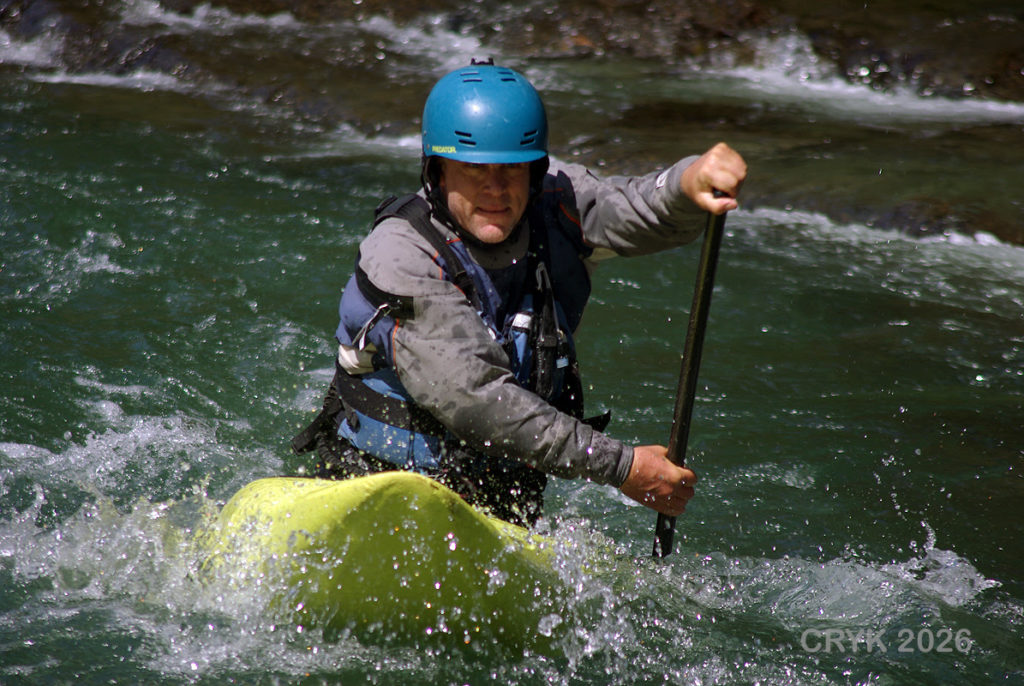
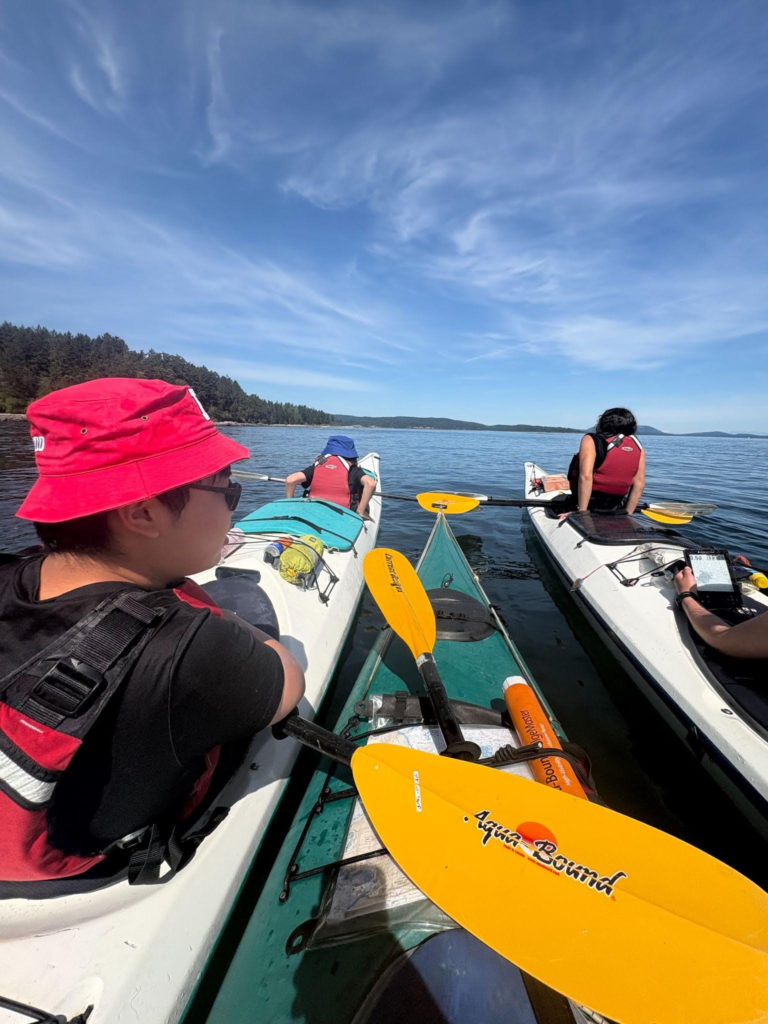
Photo: Dan Norman at the CRYK 2026.

A Kayak for Every Journey

After decades of paddling, Dan has built a fleet that reflects the diversity of waters he explores: “I have a lot of kayaks that I personally own and many more I have use of through the school program. I use different boats for different purposes.”
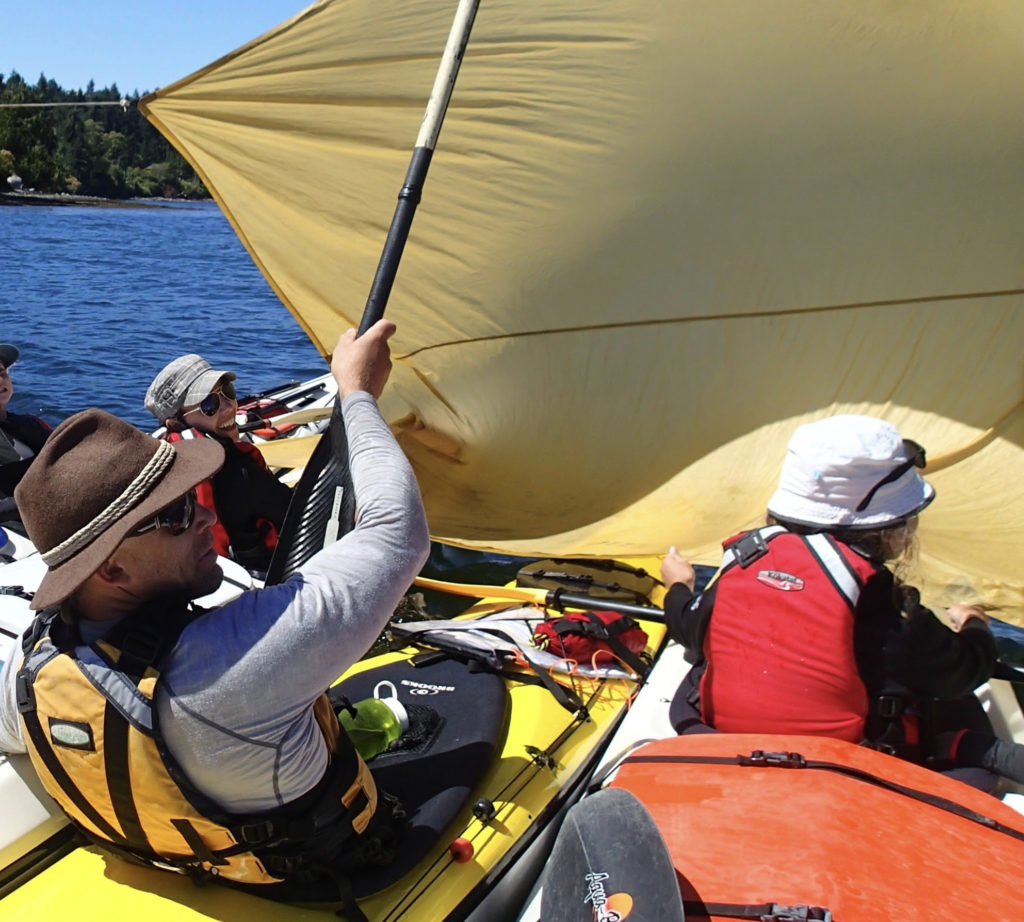
Photo: Dan’s Sailing Kayak.

One of his favorites is a Necky Nootka Outfitter Plus tandem kayak, which he and his wife use for long expeditions along British Columbia’s rugged coastline: “I love the Necky tandem Nootka Outfitter Plus as it takes my wife and I on epic sea kayak trips all over the BC coast.”

When it’s time for moving water, he reaches for something different: “I have a SOUL Fanatix whitewater C-1 I use on the river a lot.”
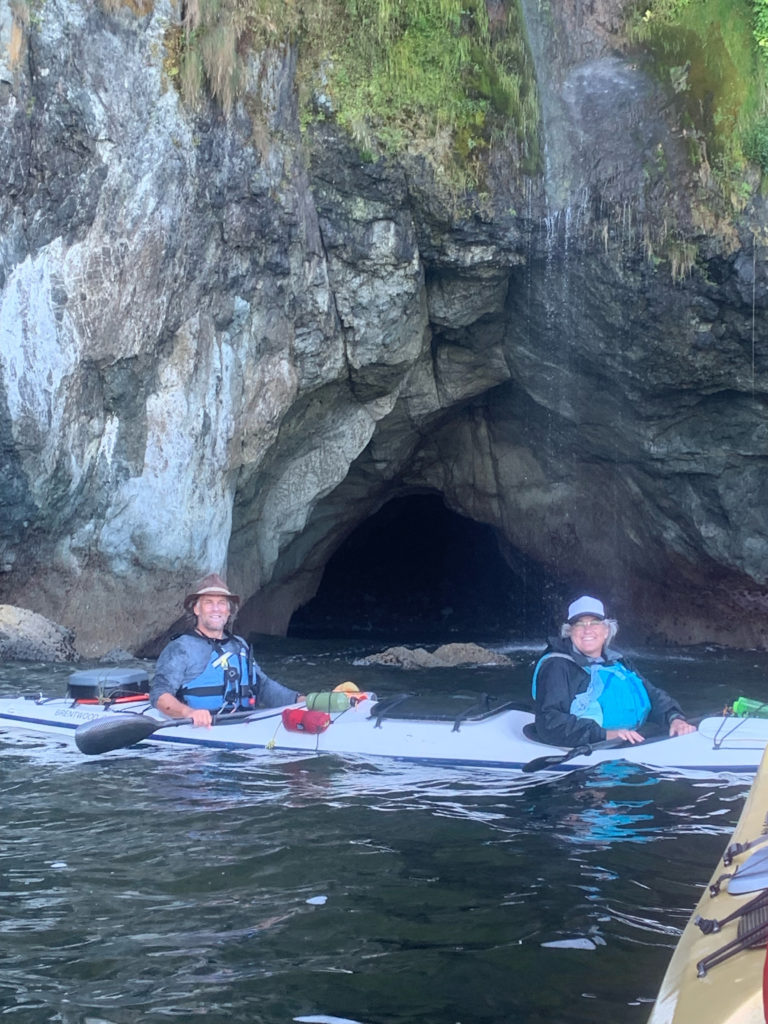
Photo: Dan with a friend on the Necky Nootka Outfitter Plus tandem kayak.

A New Tool on the Water

Dan first received MAPTATTOO Classic in January, just before taking his Outdoor Pursuits class on a kayaking trip. There wasn’t time to read the manual. So they tied on a lanyard, launched, and figured it out on the water.

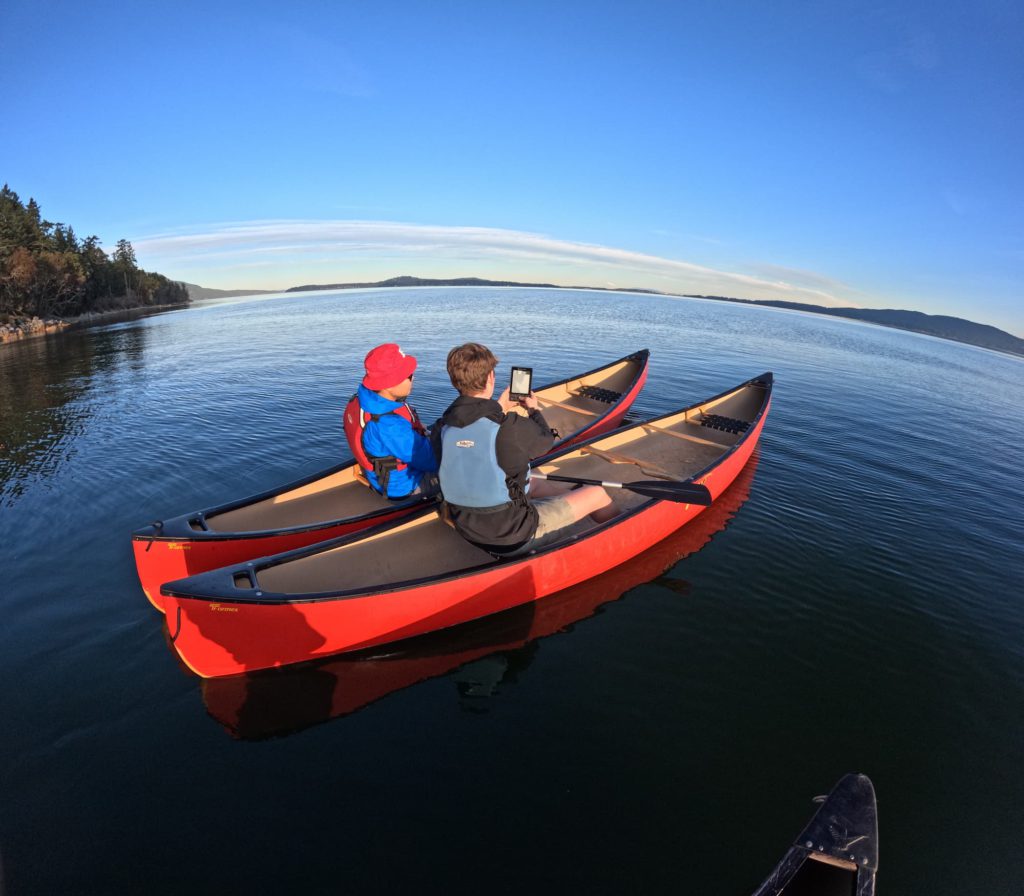
Over the following months, the device became part of both his own paddling and his students’ outdoor education. One of his favorite moments came during a canoe outing on Mill Bay.
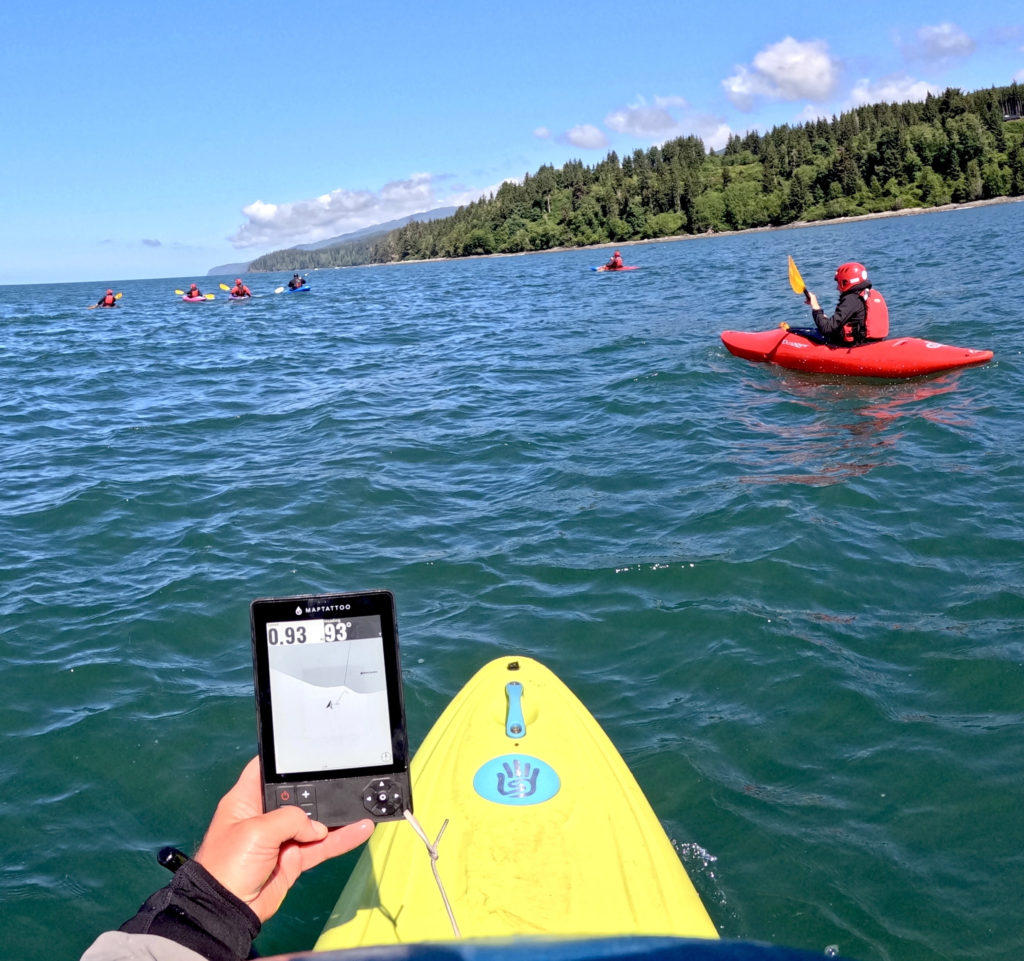
Photo: Dan Norman.

“The students really liked the speed over water feature as they could see how fast they were going and challenge themselves to paddle harder to drive the numbers up. They found it easy to use the toggles.”

And after the paddle, the trip statistics sparked conversation:“We liked the info tab where we could see how far we went, how long we were moving, and how long we just sat and enjoyed the sunshine. I’m enjoying the device, and really enjoying seeing my students explore navigation using it.”
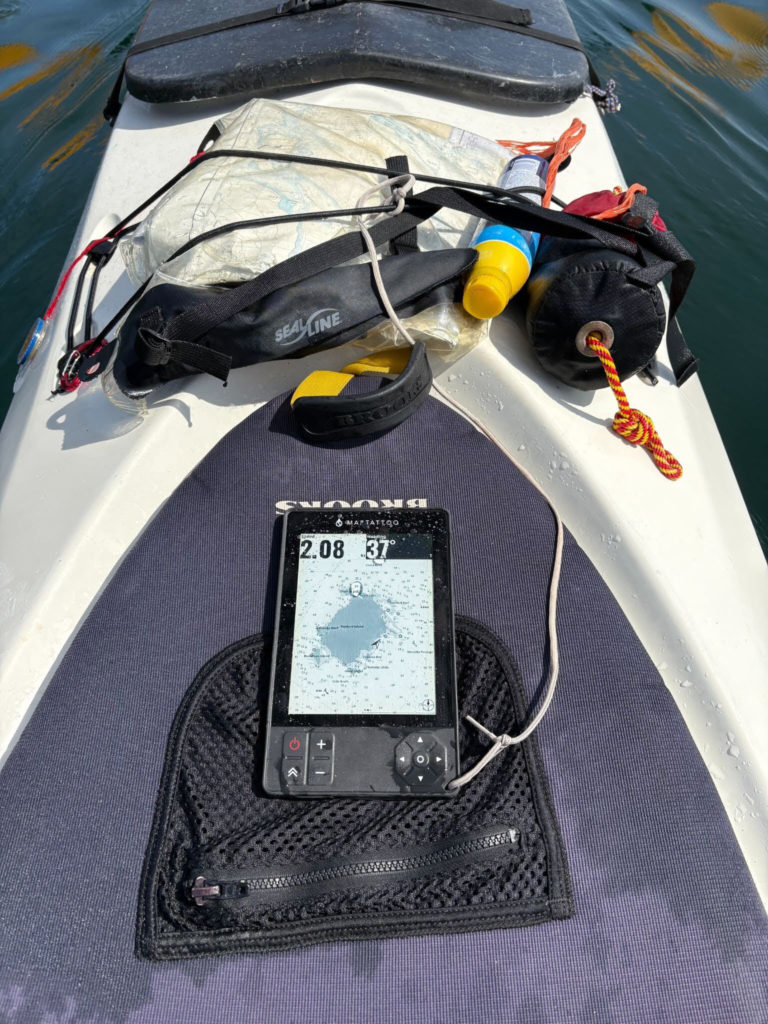
Photo: Dan Norman.

Coming from a background rooted in paper charts and compass navigation, Dan’s perspective is a thoughtful reminder that technology is most valuable when it supports good decision-making rather than distracting from it. For him, the appeal is in its elegant simplicity, providing useful information available when conditions demand it.โ€‹

“It is quite intuitive, and it is becoming even more helpful as I gain familiarity with it. The icon which shows your position in real time is also helpful and I anticipate in difficult navigation situations it would be especially useful. The heading feature and speed feature are aspects that I have never really had accessible when using paper maps, and these features are helpful.”

Still Exploring
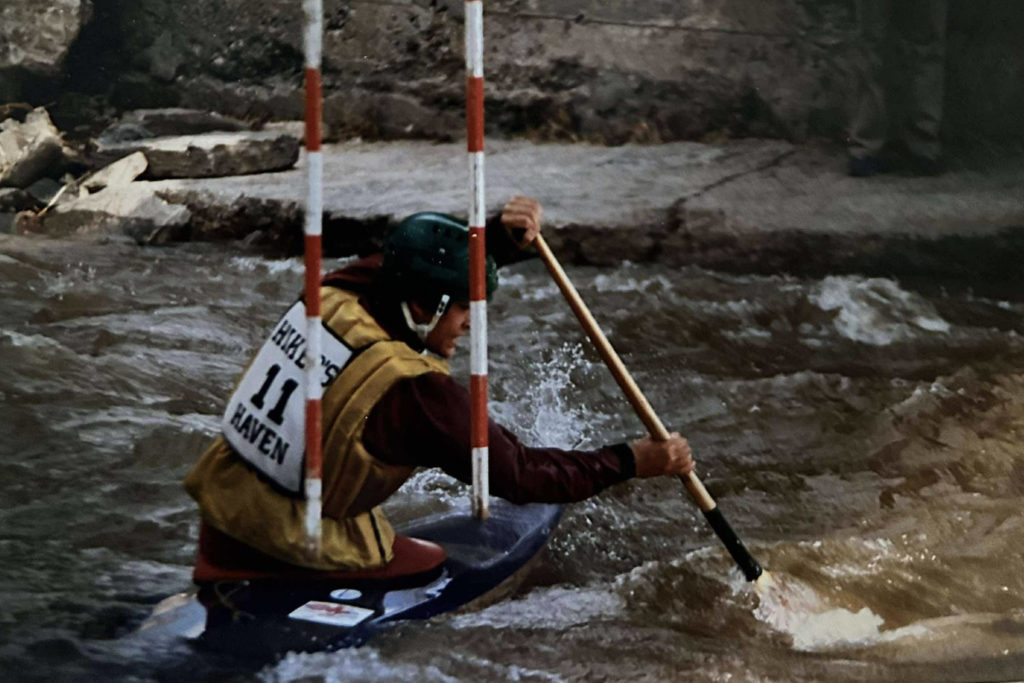
Photo: Dan Norman.
Whether he’s leading students on their first paddle, organizing youth programs, or setting off on another expedition along the British Columbia coast, Dan’s enthusiasm for being on the water remains remarkably unchanged. And just maybe, that’s the common thread running through decades of paddling. The destination changes, the boats change, and the tools improve. But the reason for launching remains remarkably constant: there is always another shoreline worth discovering.

Posted on

A Sailor’s Journey

A SAILOR’S JOURNEY

This story begins inland, and keeps moving outward. An interview with Paul Bargren about finding your way into sailing – and staying there – through patience, craft, and curiosity.

Paul Bargren grew up in Rockford, Illinois – far from oceans and marinas. Yet somewhere between borrowed rides and boat rentals, he found something he couldnโ€™t walk away from. Over the years, this pull toward the water carried him through a lifetime of self-built boats, sail-camping trips, and explorations where self-reliance matter as much as wind and weather. Our conversation with Paul traces that path, from his first dinghy to decades of exploring the water.

Finding Water Where There Was Almost None

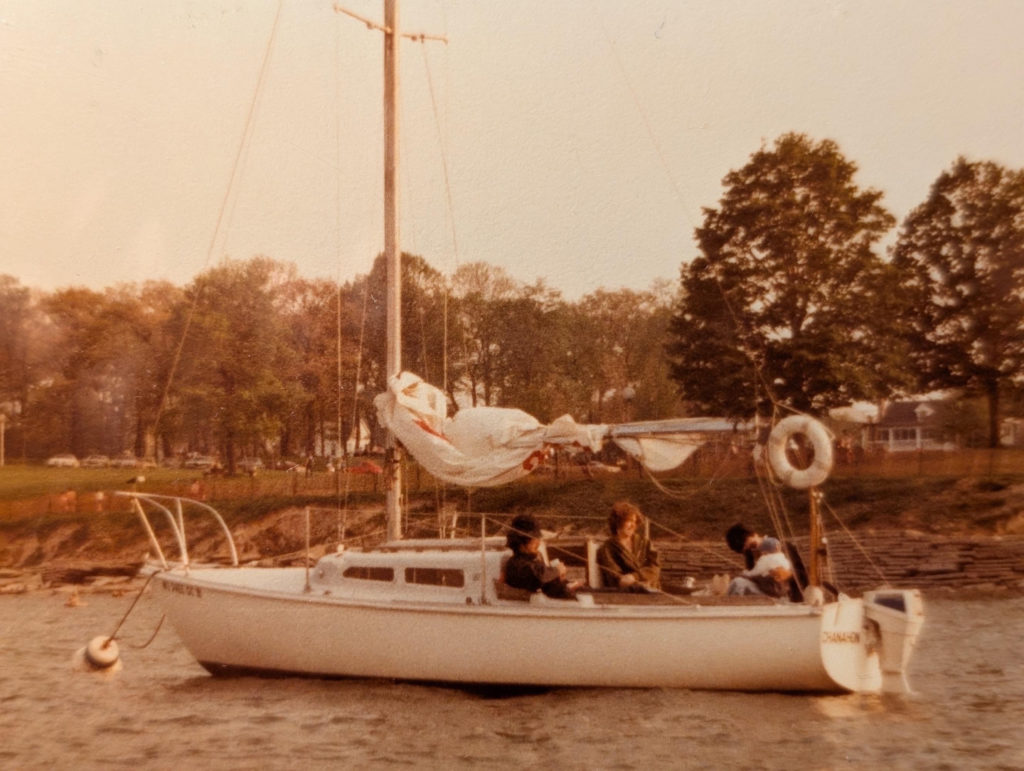
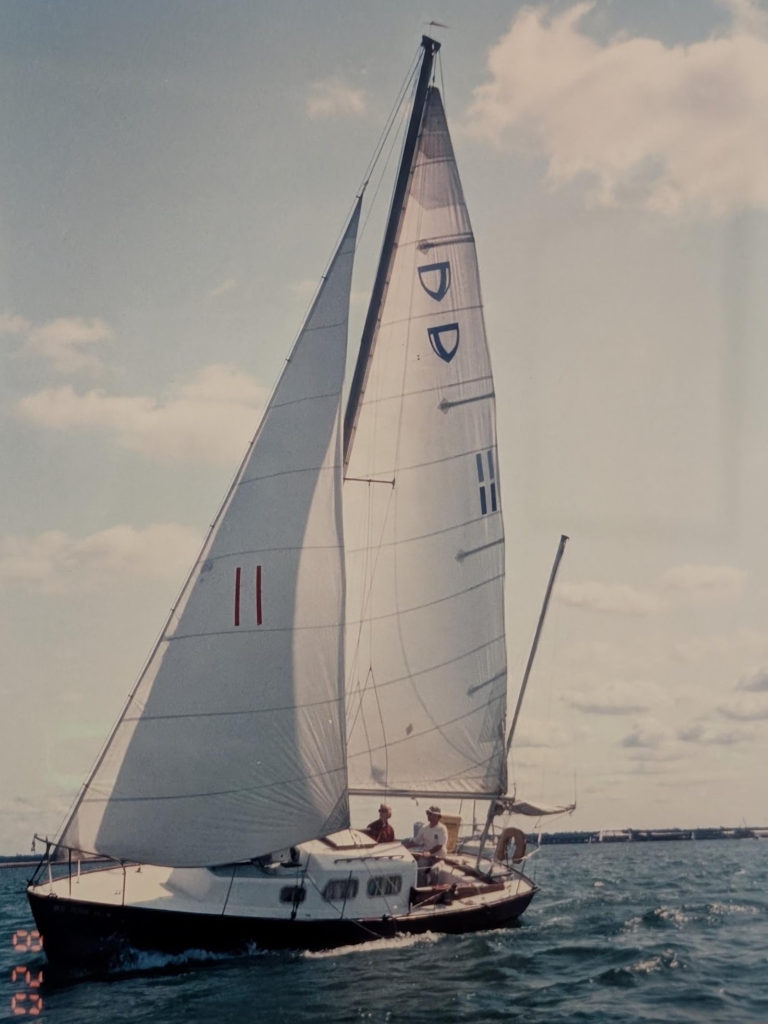
From the vault: The Santana 22 (named Chanahon).

Q: When and how did you discover your love for sailing?

Paul: I was bitten by the sailing bug growing up in Rockford, Ill. Rockford, though, had only one lake, a small man-made affair. And my family had no boat. So I just pined. Once in a while I was able to finagle a ride on a Sunfish or something similar. We tried renting a couple of times, but it never seemed to go well. Finally, during my last summer at home before college, my folks gave in and our family bought a 12-foot dinghy, a Honeybee. Iโ€™ve never seen another before or since, but it had a jib and a main (baggy though it was), and I was hooked.

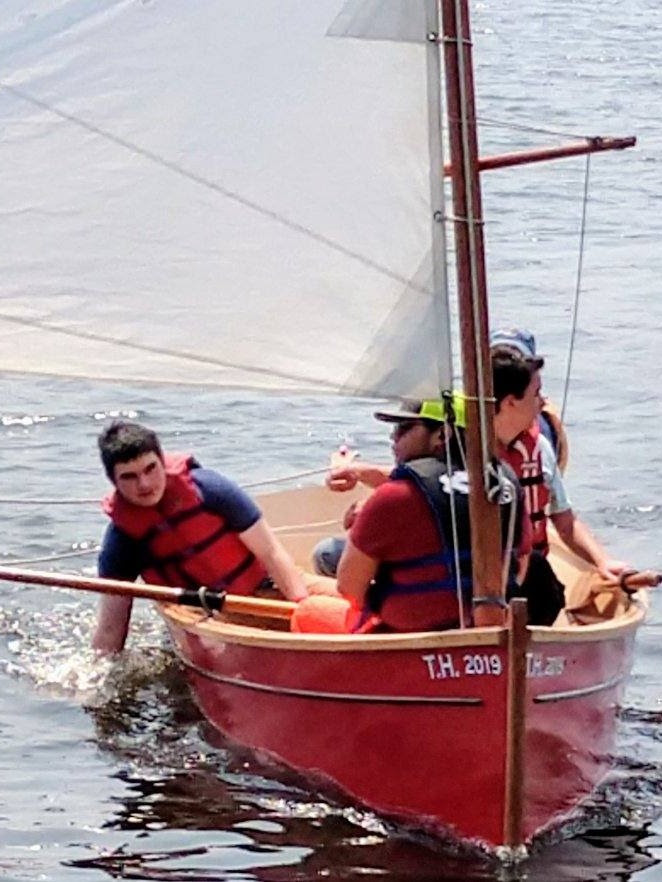
Left: the Bluegill (Anna B), which Paul helped build at All Hands Boatworks, with Kradwell School kids and other adult volunteers. The left photo shows Kradwell kids aboard. Right: the Tartan27 (Paraclete).

Paul: When [my wife] Elizabeth and I married, we bought a boat before we bought a house, a 22-foot Santana. It was the biggest boat Iโ€™d ever been on. We took it from Milwaukee across Lake Michigan and up to Door County. What adventures!
 
From there it was a Tartan 27 yawl, and finally a Hunter 356. We mostly cruised and day-sailed, with just a little racing thrown in. In the meanwhile, I built a 15-foot Bluegill, then a 17-foot Core Sound and later a 11-foot Scout. The Core Sound and Scout survive, and I find I really enjoy sail camping with my friends (the โ€œLegendsโ€) in the Core Sound.

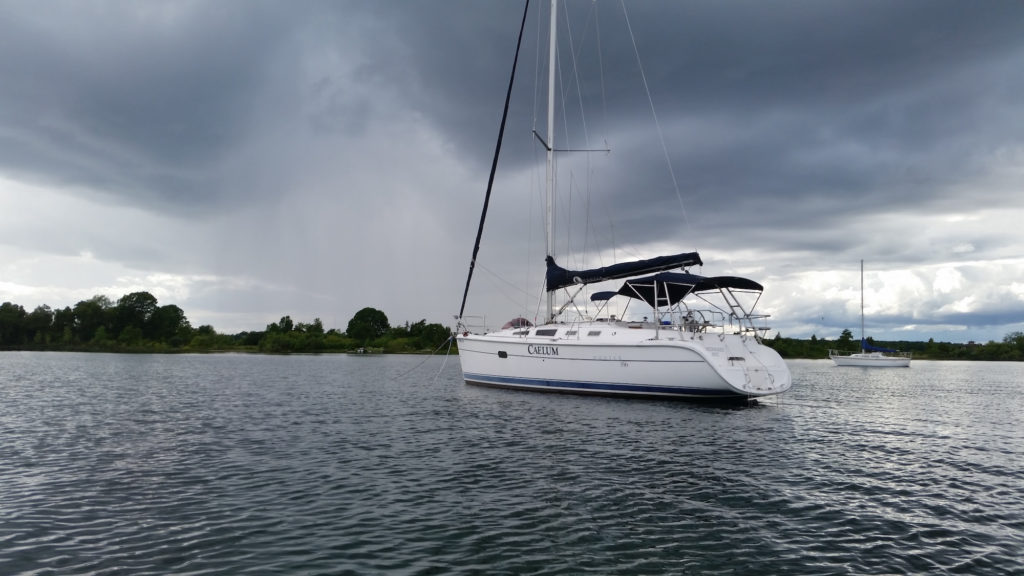
The Hunter (named Caelum) at anchor.

The Core Sound

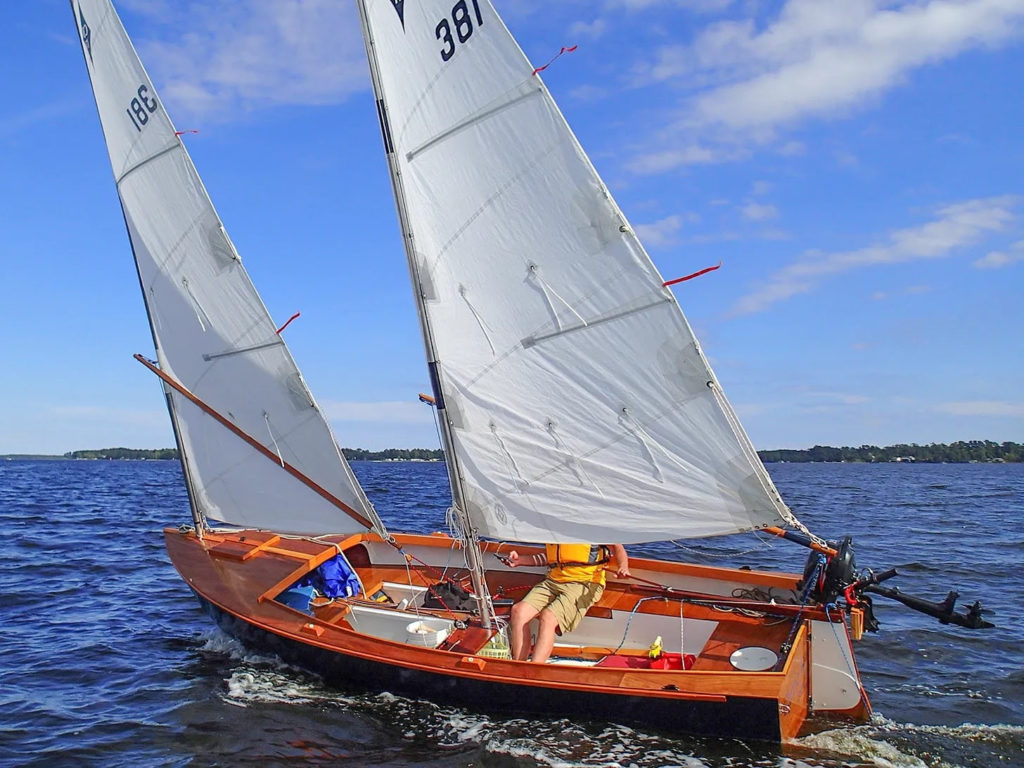
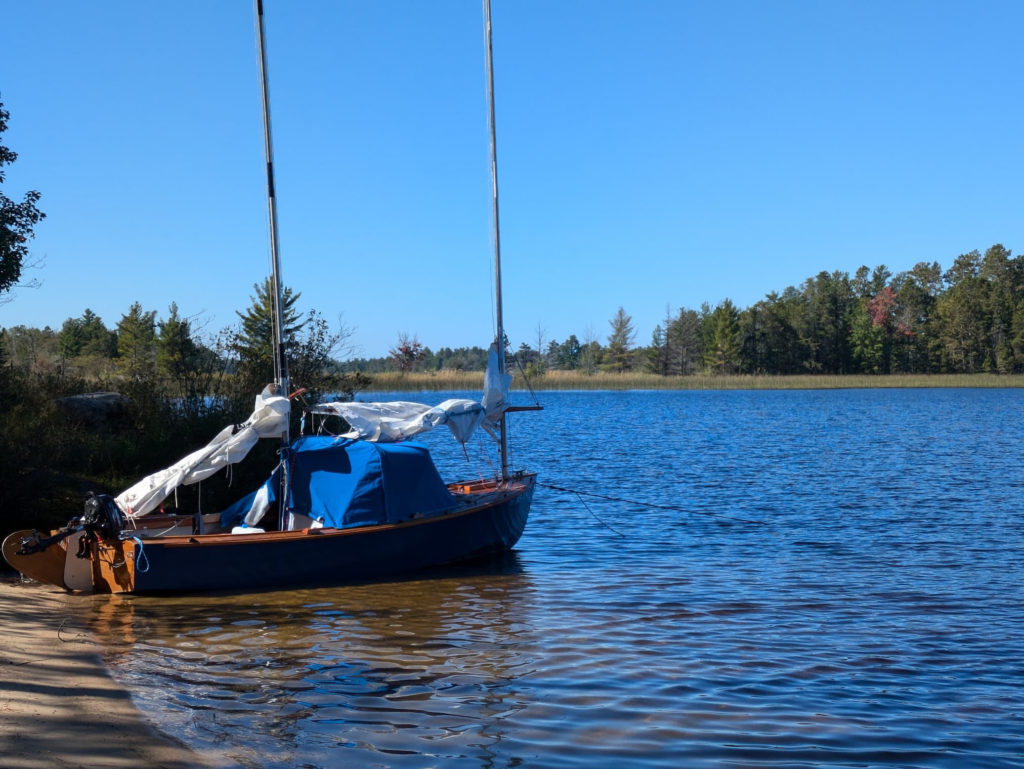
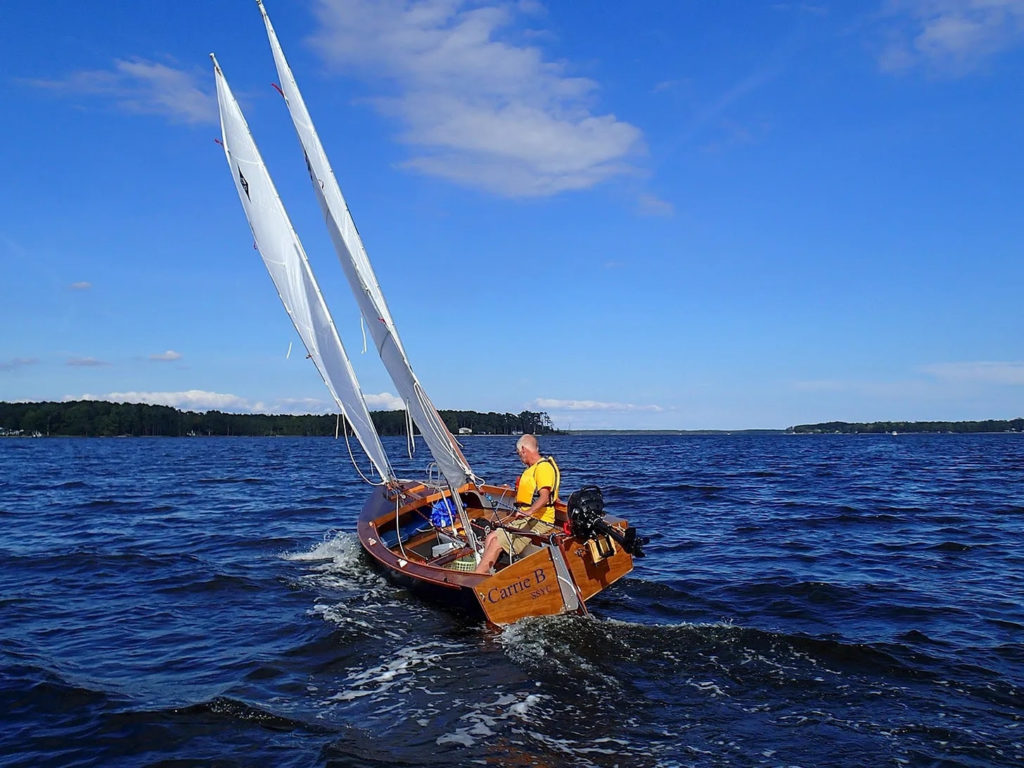
The Core Sound (named Carrie B).

Q: Can you tell us about your boat? (with its special memories and upgrades)
 
Paul: The Core Sound 17 (Mark I, denoting the original design open cat ketch) is my main sailboat now. Along with a friend, I tried the Everglades Challenge in 2022. We made it half way, but had a great sail. The logistics in trying to enter the race from Wisconsin are a major drawback. I think my favorite trip was a year later when I was one of three boats that returned to Everglades City, Fla., and poked around the 10,000 Islands for two weeks. But Iโ€™ve also sailed the Core Sound in Michigan, Ohio, Connecticut, South Carolina, Minnesota, the North Channel of Lake Huron and, of course, Wisconsin, including the Apostle Islands.
 
When I built the Core Sound, I added extra stringers in the front cockpit to support filler pieces to make a raised deck across the width of the cockpit. Thatโ€™s where I sleep and lounge. Since then, Iโ€™ve added a dodger and tent combination that, with the cuddy, makes an enclosed cabin the size of a two man tent over the raised platform. Itโ€™s a great place to sleep, and I can cook in there when it rains.

The Core Sound with its dodger and tent combination upgrade.

Small Craft, Serious Miles

Q: How has this past sailing season been for you?
 
Paul: The trips to Ohio (the Erie Islands) and Lake Superior (the Apostle Islands) this [past] summer were part of โ€œraidsโ€ affiliated with the Dinghy Cruising Association. As far as I can tell, I was the only person on both raids. I also took the Core Sound on a family vacation to a nearby lake in Wisconsin, where my wife, daughters, 2 sons-in-law and four grandsons all sailed that boat as well as the Scout. And I had it out for a fun race night on an inland lake near Milwaukee.

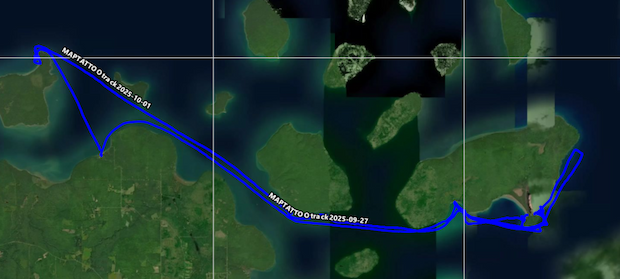
A screenshot of the route Paul prepared for his sail camping trip in the Apostle Islands. (You can create a a route directly on MAPTATTOO device or plan it on a computer and upload it onto the device via USB).

Q: What has the most memorable cruise(s) been for you?
 
Paul: A special cruise was a short but memorable one in Connecticut. I launched from Cedar Point Yacht Club (daughter and son-in-law) and motored out to a protected sandy cove on Cockenoe Island. By the time I got to the island, it was dark, and I was relying on the ability of my GPS to get past the entry bar. I anchored, cooked up some dinner and turned in. The next day, rain. I put up my dodger and motored back to the club dock. The next day, sun and breeze. I zoomed along on a reach through the Norwalk Islands, along a channel, and back again. There arenโ€™t islands and channels and rocks and buoys to speak of near Milwaukee, so it was fascinating, and too much for my little [Garmin] handheld GPS. Where was MAPTATTOO those many years ago? I sailed back to Cockenoe, anchored under sail, and had another nice night afloat. A short trip, but one that has stayed with me.

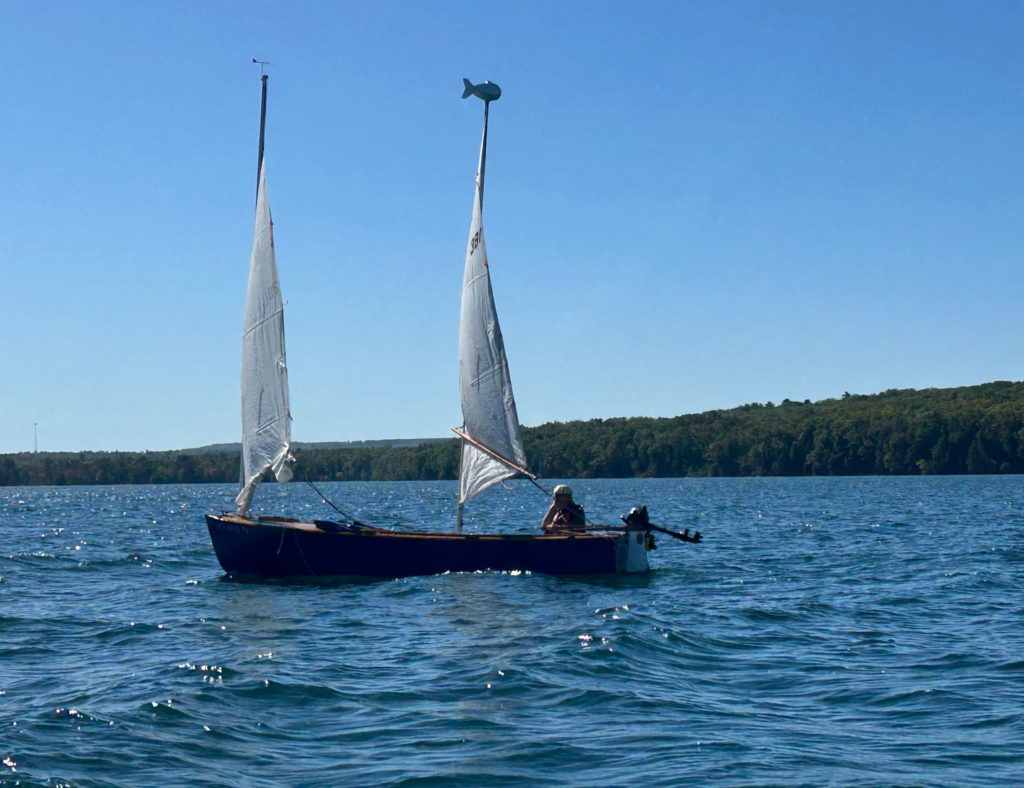
Sailing the Core Sound on Lake Superior in the Apostle Islands last September. (Photo: Steve Lindeman)

Navigation That Keeps Up

Q: How has MAPTATTOO been working on your cruises?

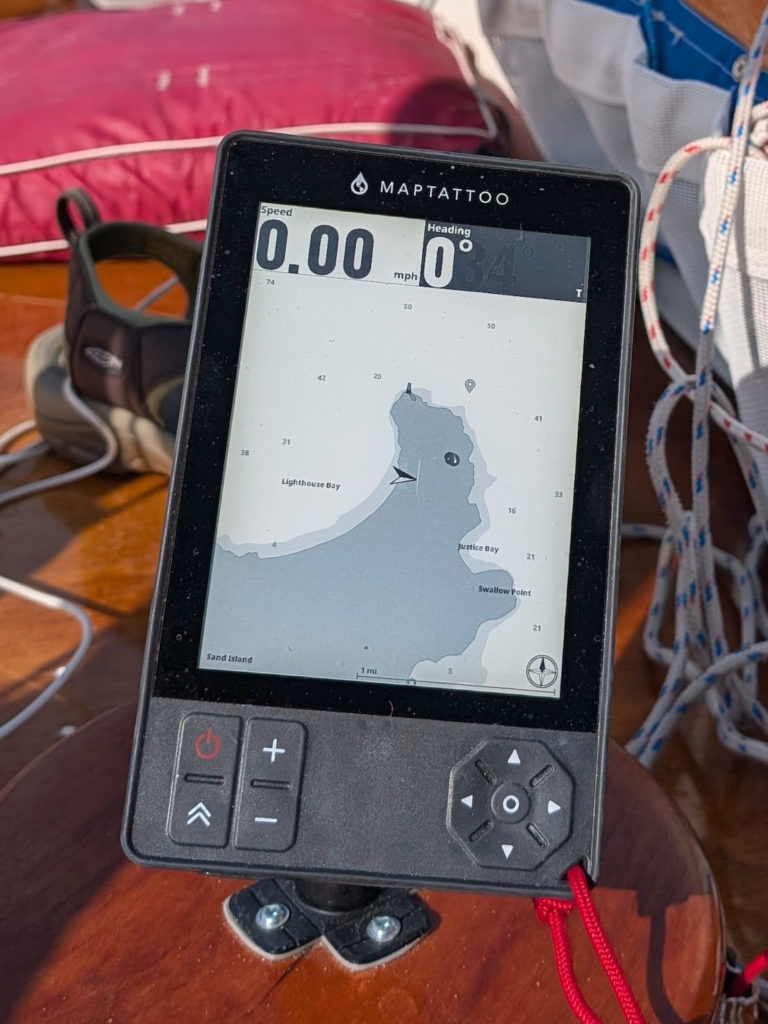
Paul: I was an early adopter of MAPTATTOO. The improvements since it first came out have been substantial. It has continued to work better and better. This summer, I easily loaded the routes I needed for the Ohio raid, and was tickled to see that as I passed one waypoint, the next leg popped up, just as promised. Later, with more refinements and more skill on my part, I used MAPTATTOO in the Apostles and found the reverse-a-route feature to be quite handy. I also really enjoy the large screen and visibility in any light. [This coming] summer, it will be my main GPS on the annual Queenโ€™s Cup Race across Lake Michigan when Iโ€™m navigator on my friendโ€™s big boat. I should add that any time Iโ€™ve had a question, I get a prompt response, which is much appreciated.

MAPTATTOO on Paul’s Core Sound.

Paul: I use MAPTATTOO in connection with ExpertGPS, a low-cost mapping and GPS map program that lets me easily plot routes and load them to MapT and, after a trip, lets me download my sailed routes and see them on nautical charts or Google Earth views. I still carry a Garmin handheld in my life vest for fun, and ExpertGPS works with that as well.

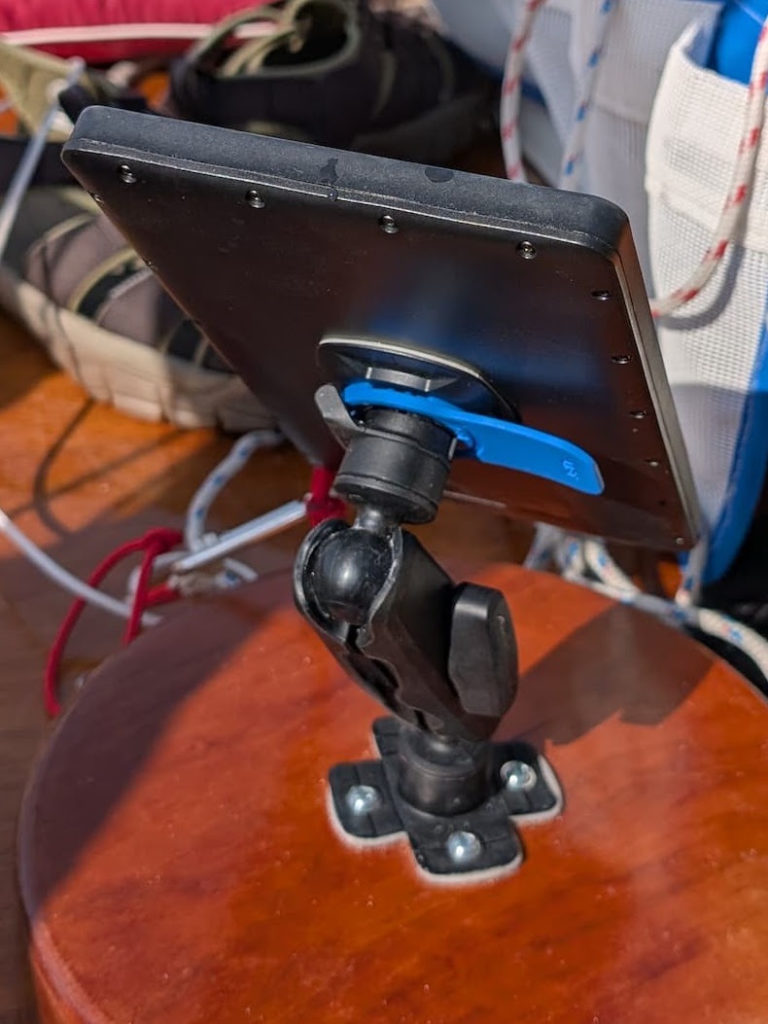
MAPTATTOO mounted with a Quad Lock kit. Please note that you do not need to nail down the base, you can simply attach it to your boat using the pre-built adhesive.

Read More

Paul on the Core Sound.

Paul is also a contributor and member of Small Craft Advisor. Read more: